
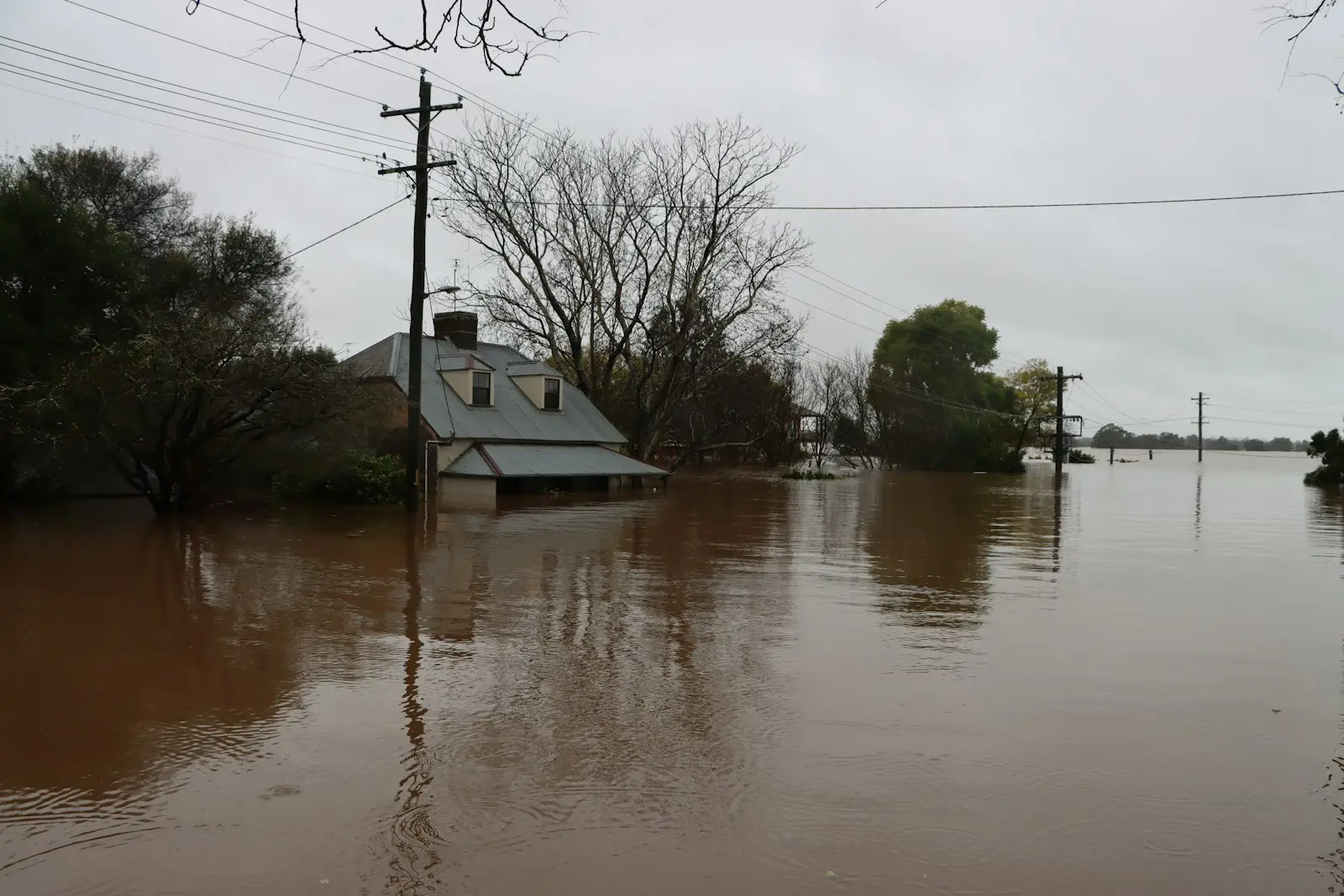
Water in the Basement? We Save Your Home’s Systems.
A basement flood takes the furnace, water heater, and ductwork down with it — and a wet gas valve or corroded control board is nothing to gamble on. More Heat More Cool inspects the damage, tells you straight what’s salvageable, and restores heat, hot water, and clean airflow fast across Greater Cincinnati and Dayton.
What a Flood Wrecks, Inch by Inch
Damage depends on how high the water climbed. Here’s roughly what’s at stake as it rises through a finished basement — and why even a few inches is worth a professional look before you flip anything back on.
Floor drains, returns & low ductwork
Water seeps into floor-level return ducts and trunk lines, carrying silt and bacteria straight into the system that heats your whole house.
Water heater burner & gas valve
Once water reaches the burner and gas control on a tank heater, the safe answer is replacement — not relighting it and hoping.
Furnace controls & blower motor
The furnace’s control board, blower, and gas valve sit low. Submerge them and codes call for a new furnace, not a bet on corroded electronics.
Electrical panel & appliances
At this depth the panel, sump circuit, and appliances are unsafe to power up. Cut the electricity and leave everything off until it’s inspected.
Not sure how high it got? We’ll read the water line for you — call (937) 794‑5060.
The First Hours After a Basement Flood
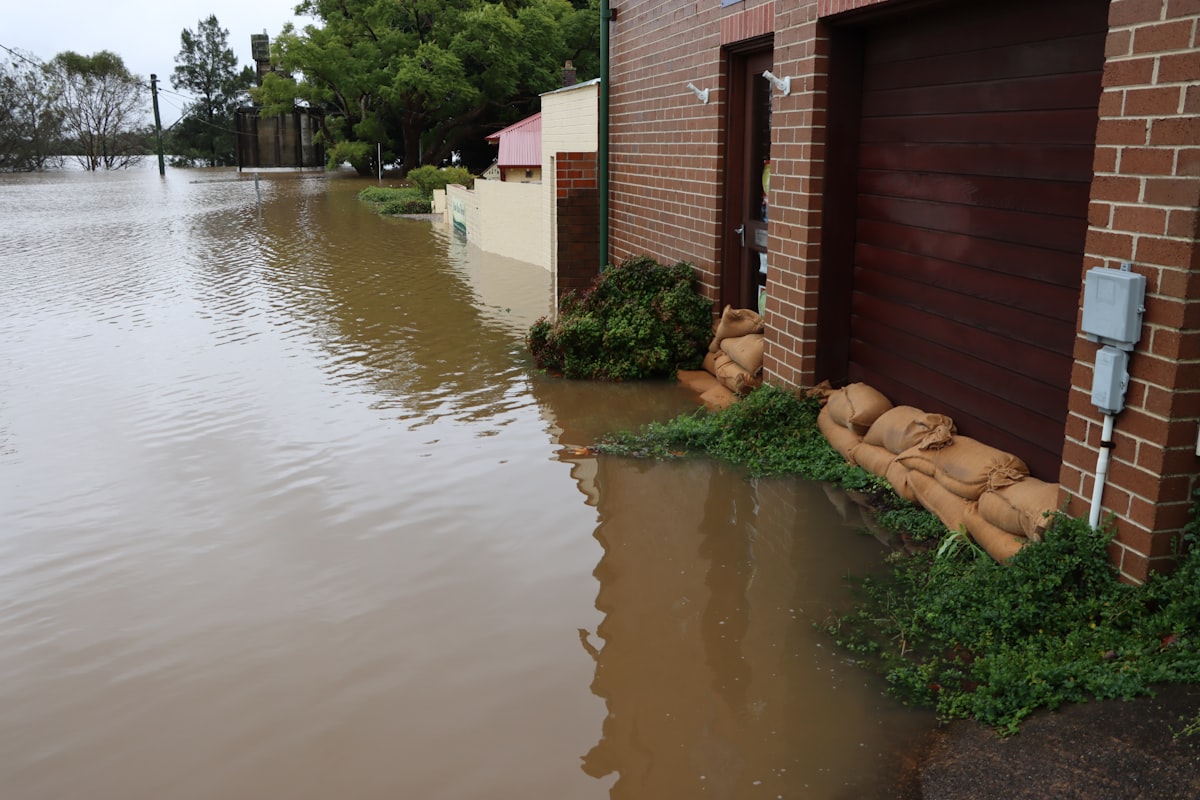
Before you think about repairs, a few steps protect your family and your insurance claim. If any of this would put you in standing water near live electricity, stop and wait for us or the utility.
-
Kill power & gas
If you can reach them safely, shut off electricity and the gas supply to the basement. Never wade through water to get there.
-
Don’t restart anything
A furnace, water heater, or appliance that sat in water can be dangerous to power up. Leave it off until it’s inspected.
-
Ventilate & document
Open the space for airflow, then photograph every affected unit and the high-water line for your claim.
-
Call for help
Call (937) 794‑5060. We’ll assess your heat, hot water, and airflow.
What We Restore After a Flood
Most of a home’s mechanical systems live in the basement, which is exactly where the water goes. Here’s what we bring back to life after a flood — the HVAC work we handle ourselves, and what we inspect and hand off to a trusted partner.
Furnace
Floodwater ruins gas valves, control boards, and blower motors, and safety codes call for replacement once burners have been submerged. We inspect, advise honestly, and can often restore heat the same day. See furnace repair or furnace installation.
We repair & replaceWater Heater
A water heater that sat in floodwater can hide corrosion and unsafe controls. We check the burner, valve, and tank, and swap in a new tank or tankless unit fast. Call (937) 794‑5060 and we’ll get someone out.
We repair & replaceWater Quality Testing
Flooding pushes silt, bacteria, and runoff into private wells and can leave sediment in supply lines. We test hardness, iron, and TDS, then treat what the results actually show. See water quality.
We test, treat & filterHumidity & Dehumidification
A flooded basement leaves months of excess moisture behind. Whole-home dehumidification pulls it out so mold and musty air don’t take hold. Explore indoor air quality options.
We install & balanceDuct Sealing & Sanitizing
Before the system runs again, we seal and sanitize the ductwork so you’re circulating clean, dry air — not spores from a wet return.
We seal & sanitizeSump Pump & Appliances
Outside our HVAC scope, but not off our radar: we check whether a failed sump pump added to the flooding, and flag flood-damaged gas or electric appliances that are unsafe to restart — then connect you with a trusted plumber or appliance pro so nothing dangerous gets switched back on.
We inspect & coordinateWant the deeper walkthrough on flood-damaged heating equipment? Read our guide to flood-damaged furnace & water heater help in Dayton.
Why Flooded Equipment Usually Can’t Just Be Dried Out
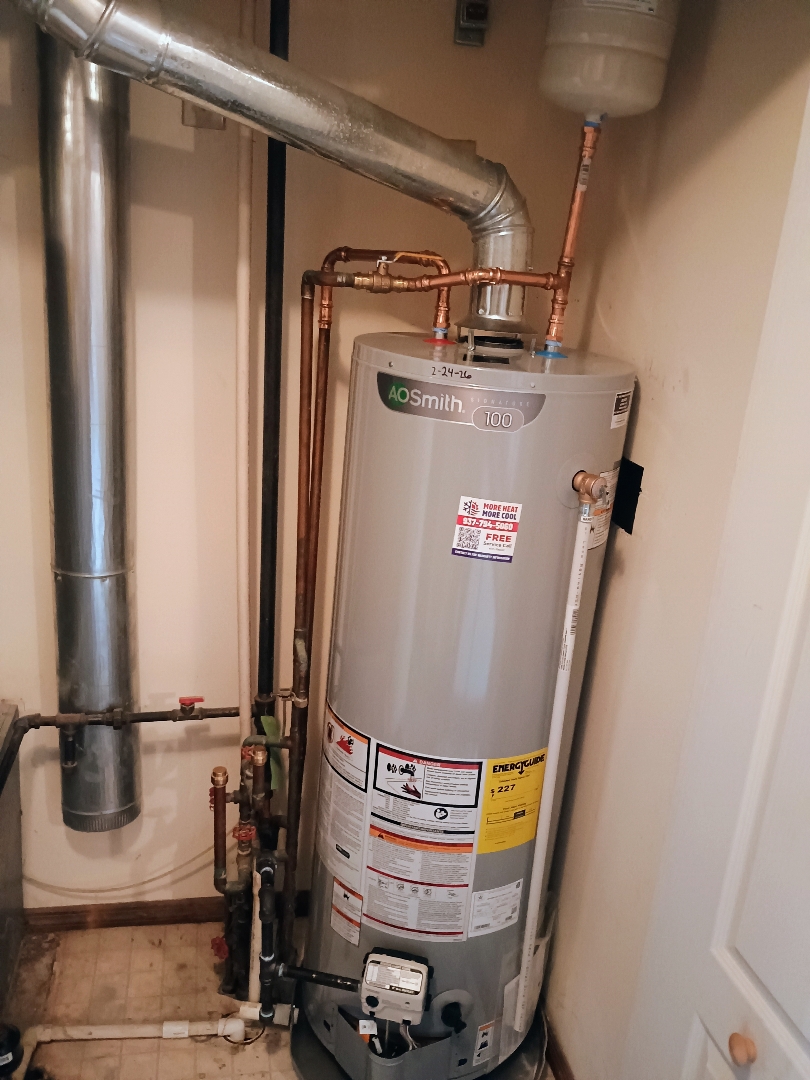
It’s tempting to let a wet furnace or water heater dry and hope for the best. The problem is what floodwater does out of sight — and why the safe answer is so often a clean replacement done in a day.
- Gas valves & control boards fail unpredictably once water gets inside — even weeks later
- Sealed insulation traps water inside furnace and heater cabinets, feeding hidden corrosion and mold
- We put it in writing — itemized damage and model details your insurance adjuster needs
One Crew, Every System — Back On the Same Day
Austin and Andre came out to replace my water heater/water heater plumbing and furnace/AC. These gentleman were at my house from 8a- 9p. The whole time they were professional, polite and did such an amazing job! Gary (manager) also made sure to call me every so often to make sure my family and I were doing okay and to update me on the technicians.
 Nathan JayGoogle Review
"Andre and his co-worker came and replaced my failing water heater. They were professional and courteous. They installed the new water heater and made sure it was working properly before they left. I would recommend their services." — Joseph Soli
Tell Us What the Flood Hit
A few details and we’ll come back fast with a plan and honest numbers. Need help right now? Call (937) 794‑5060.
In a hurry? Book your visit online and pick a time that works for you.
Flooded Basement & HVAC Questions
What Cincinnati and Dayton homeowners ask us most after water gets into the basement.
Can a flooded furnace be repaired, or does it need to be replaced?
Once floodwater reaches a furnace’s burners, gas valve, or control board, manufacturers and safety codes generally call for replacement rather than repair. Submerged gas valves and electronic controls can fail unpredictably even after they dry, and a furnace that sat in water can hide internal corrosion and mold. We inspect yours, tell you honestly whether a repair is safe, and if replacement is the right call we can often have heat restored the same day.
Is a flood-damaged water heater safe to keep using?
Usually not. If water rose above the burner and gas control valve on a gas unit, or the elements and thermostat on an electric one, the safe move is replacement. Sediment and corrosion from floodwater shorten the tank’s life and can cause leaks or unsafe operation. We check yours and, if it needs replacing, install a new tank or tankless water heater quickly.
What should I do first when my basement floods?
Safety first. If you can reach them without standing in water, shut off electrical power and the gas supply to the basement, and do not turn any flooded equipment back on. Once the area is safe, ventilate it, photograph every affected unit and the high-water line for your insurance claim, then call a professional. Call us at (937) 794‑5060 and we’ll get your heat, hot water, and airflow assessed and back online.
Do you clean or replace flood-damaged ductwork?
It depends how far the water got. Ductwork that only saw damp air can often be dried, cleaned, and sanitized. Ducts that filled with floodwater, silt, or sewage — common with low basement returns — usually need those sections replaced, because trapped moisture breeds mold the system would otherwise circulate through your home. We assess the ducts and recommend the least-invasive option that’s actually safe.
Do you handle sump pumps and flood-damaged appliances too?
Our hands-on work is the HVAC side — furnaces, water heaters, ventilation, dehumidification, and ductwork. For sump pumps and flood-damaged appliances, we inspect them for safety as part of the visit and, when they fall outside our scope, connect you with a trusted local plumber or appliance professional so you’re not chasing down contractors on your own.
Will homeowners insurance cover flood-damaged HVAC?
It depends on your policy and the water source. Standard homeowners insurance often excludes natural flooding, which usually needs separate flood coverage, but water backup from a failed sump pump or drain may be covered with the right endorsement. Either way, document everything with photos before work begins — we provide itemized invoices and can supply the model numbers and damage details your adjuster needs.
Serving Monroe & All of Southwest Ohio
From our home base in Monroe, we bring flood-damage HVAC recovery to homeowners across Southwest Ohio. Find your community below, or see all service areas.
Monroe & Warren County
Greater Cincinnati
Greater Dayton
Not sure if we cover your area? Call (937) 794‑5060 — there’s a good chance we can help.