
No Hot Water? We Fix & Replace Water Heaters Fast—Same-Day Service Available
Water Heater Repair & Installation Near You in Cincinnati, Dayton & Monroe, OH
Serving homeowners across Monroe, Cincinnati, Dayton & surrounding areas with expert water heater repair, replacement, and installation. Southwest Ohio's trusted local HVAC team.
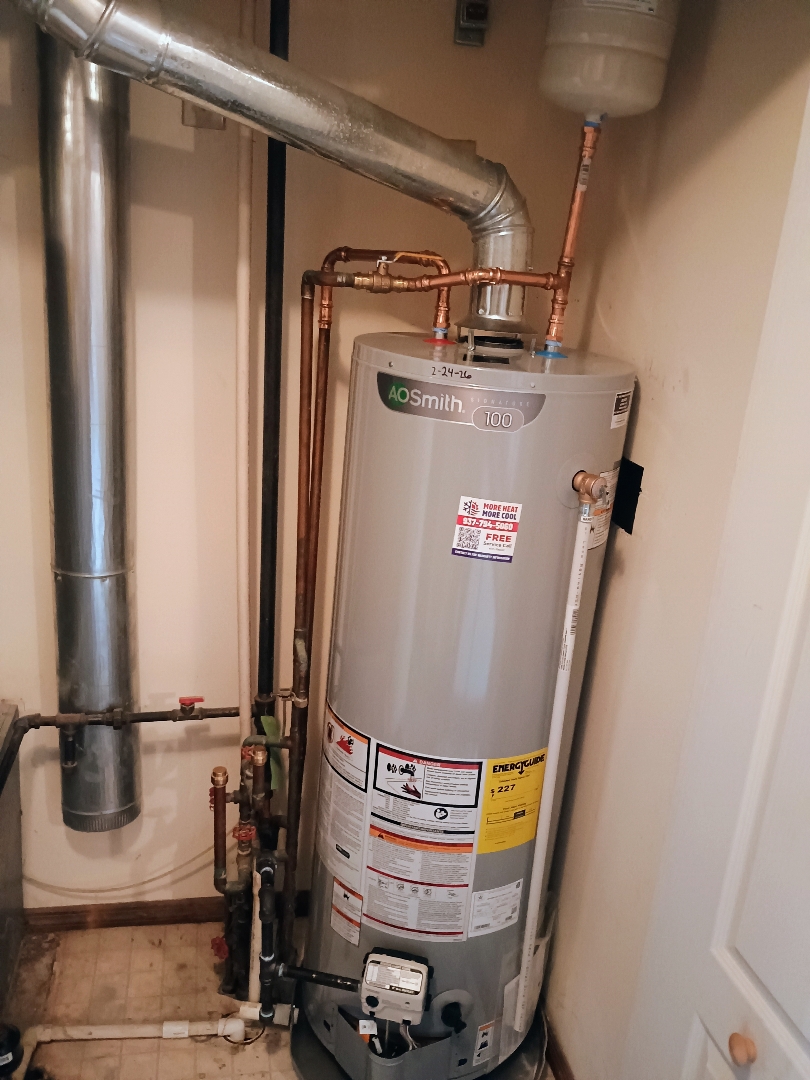
Which Water Heater Is Right for You?
Answer a few quick questions and we'll recommend the water heater type, size, and price range that fits your situation. Takes under 60 seconds.
Water Heater Types Compared
Each water heater type has real advantages and real drawbacks. Here's what matters for Cincinnati, Dayton & Monroe homeowners.
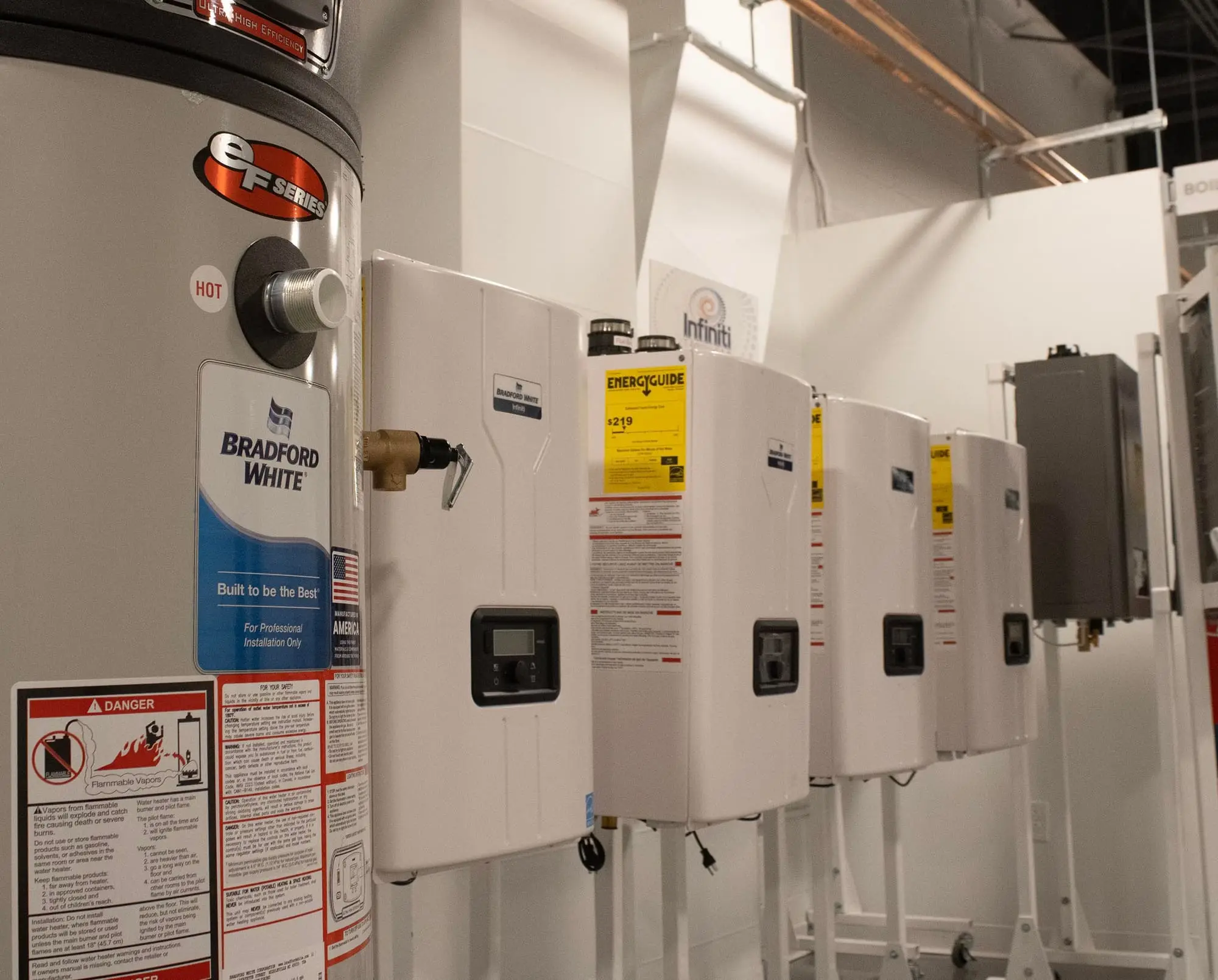
Traditional Tank Water Heater
How it works: A large insulated tank (typically 40-75 gallons) stores and continuously heats water using a gas burner or electric heating elements. When you turn on the hot tap, preheated water flows from the top of the tank while cold water enters the bottom to be heated.
Advantages
- Lowest upfront cost of any water heater type
- Simple, proven technology with decades of reliability
- Easy and inexpensive to repair — parts are widely available
- Works with existing gas or electric connections without upgrades
Drawbacks
- Hot water runs out during heavy use (back-to-back showers, laundry day)
- Standby heat loss — energy wasted keeping water hot 24/7
- Shorter lifespan of 8-12 years compared to other types
- Larger physical footprint takes up floor space
Lifespan: 8-12 years with regular maintenance (annual flushing, anode rod checks).
Cincinnati/Dayton consideration: Our hard water accelerates sediment buildup. Annual tank flushing is especially important in this area to preserve efficiency and extend the unit's life.
Gas Tankless Water Heater
How it works: When you open a hot water tap, cold water flows through the unit and a high-powered gas burner heats it on demand. There's no storage tank — water is heated only when needed, then the burner shuts off.
Advantages
- Endless hot water — never runs out regardless of usage
- Compact, wall-mounted design saves significant floor space
- 20+ year lifespan with proper maintenance
- 30-50% energy savings by eliminating standby heat loss
Drawbacks
- Higher upfront cost than tank models
- May require a gas line upgrade for sufficient BTU capacity
- Requires annual descaling, especially in hard water areas
- Brief delay ("cold water sandwich") when hot water demand starts and stops
Lifespan: 20+ years with annual descaling and maintenance.
Cincinnati/Dayton consideration: Incoming groundwater temperature in our area averages about 55°F. That means a tankless unit must raise the temperature roughly 65°F to reach 120°F output. This directly affects the flow rate (GPM) the unit can deliver — a unit rated for 9.5 GPM in Florida may only produce 5-6 GPM here. We always size for Ohio conditions, not nameplate ratings.
Electric Tankless Water Heater
How it works: Similar to gas tankless but uses high-powered electric heating elements instead of a gas burner. Cold water passes through the unit and is heated instantly by copper heating elements.
Advantages
- Very compact — smallest footprint of any water heater type
- No gas line needed, can be installed in homes without natural gas
- No venting required — simpler installation in many locations
- Near 100% energy efficiency (all electricity becomes heat)
Drawbacks
- Very high amp draw (150-200 amps for whole-home units)
- Usually requires a major electrical panel upgrade
- Lower flow rate in cold climates due to greater temperature rise needed
- Higher operating cost than gas tankless in most Ohio utility rate structures
Lifespan: 15-20 years with periodic maintenance.
Cincinnati/Dayton consideration: Electric tankless units are less common for whole-home use in Ohio due to our cold groundwater (55°F). The high temperature rise required limits flow rates significantly. These units work best as point-of-use boosters for a single fixture rather than powering an entire home. We'll be straightforward about whether electric tankless makes sense for your situation.
Heat Pump Water Heater (Hybrid)
How it works: Instead of generating heat directly, a heat pump water heater uses a compressor and refrigerant cycle to absorb heat from surrounding air and transfer it to the water — the same principle as an air conditioner in reverse. Most models include backup electric elements for high-demand periods.
Advantages
- Most energy-efficient water heater available (2-3x more efficient than standard electric)
- May qualify for utility rebates (the federal tax credit ended for systems installed after December 31, 2025)
- Significantly lower monthly energy bills — can cut water heating costs by 50-70%
- Also dehumidifies and slightly cools the space where it's installed
Drawbacks
- Needs adequate space for airflow (at least 750+ cubic feet of surrounding air)
- Slower recovery rate than gas tank or tankless during peak demand
- Produces some noise from the compressor (similar to a dehumidifier)
- Higher upfront cost than standard tank models
Lifespan: 13-15 years with regular maintenance.
Cincinnati/Dayton consideration: Ohio basements are ideal for heat pump water heaters. Basement temperatures stay relatively consistent (55-65°F year-round), which is within the optimal operating range. The dehumidification benefit is a bonus in our humid summers. If your water heater is in an unfinished basement with good clearance, this could be the best long-term value.
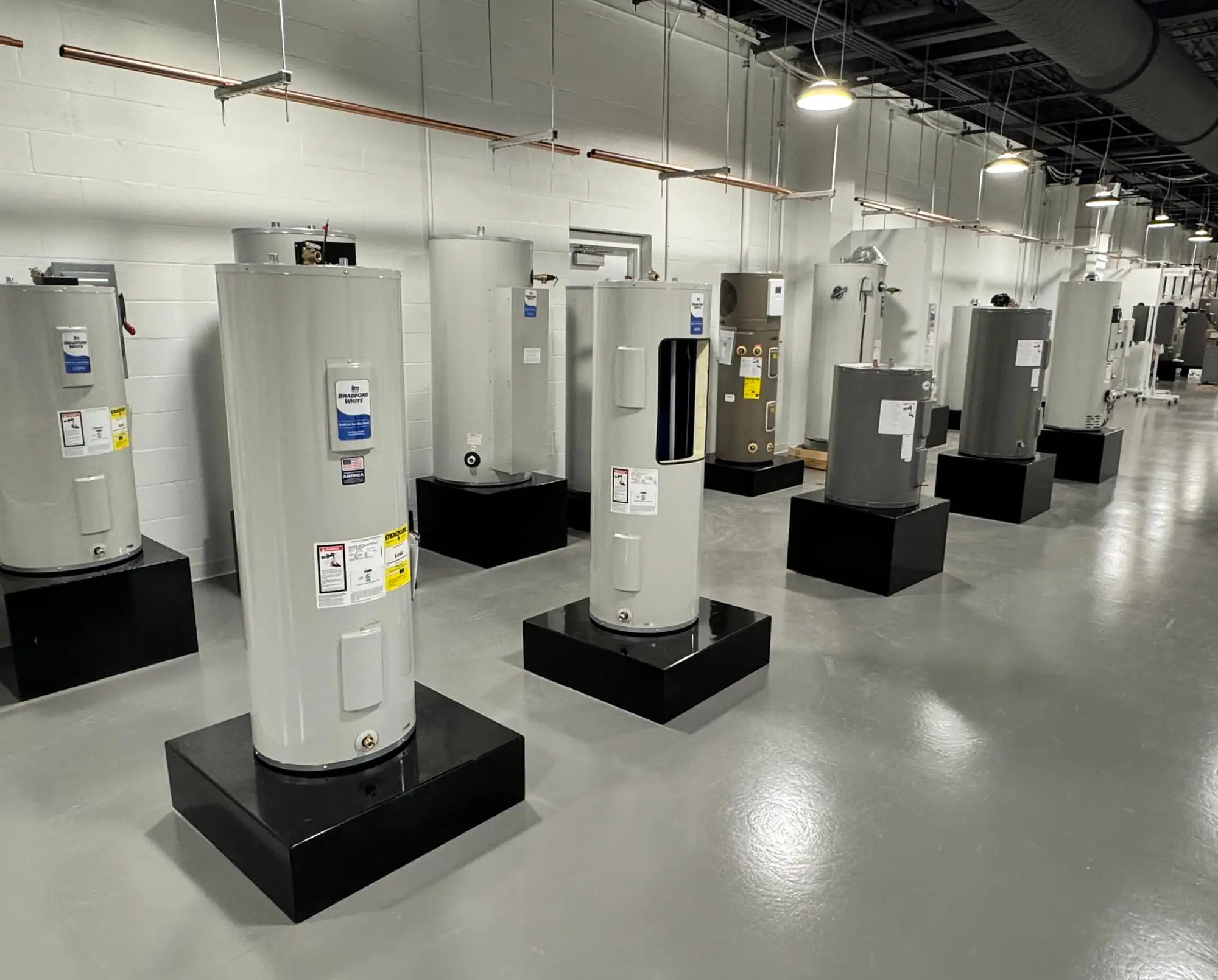
What Size Water Heater Does Your Home Need?
An undersized water heater means cold showers. An oversized one wastes energy. Here's how to find the sweet spot.
Tank Sizing by Household
- 1-2 people: 30-40 gal tank
- 2-3 people: 40-50 gal tank
- 3-4 people: 50-65 gal tank
- 5+ people: 65-80 gal or tankless
Tankless Sizing: Flow Rate (GPM) by Fixture
Tankless units are sized by how many gallons per minute (GPM) they can heat. Add up the fixtures you'd use simultaneously to find your required GPM.
- Shower: 2.0 GPM
- Kitchen/bath faucet: 1.0 GPM
- Dishwasher: 1.5 GPM
- Washing machine: 2.0 GPM
Important for Cincinnati and Dayton: Our groundwater temperature averages about 55°F. A tankless unit needs to raise the temperature roughly 65°F to reach a 120°F output. This temperature rise directly reduces the unit's effective GPM capacity compared to manufacturer ratings (which are often based on warmer climates). We always size tankless units for real Ohio conditions.
We size every water heater to your specific household needs. During our free in-home assessment, we'll calculate your peak demand, check your gas line or electrical capacity, and recommend the right system — not the most expensive one.
How Water Heater Types Compare Over Time
The upfront price is only part of the picture. Here's how each type stacks up in the long run for Cincinnati-area homeowners.
| Gas Tank | Gas Tankless | Heat Pump | |
|---|---|---|---|
| Upfront Cost | Lowest | Higher | Moderate |
| Monthly Energy Savings | Baseline | 30-50% lower | 50-70% lower |
| Expected Lifespan | 8-12 years | 20+ years | 13-15 years |
| Replacement Needed at 10 yr? | Likely | No | No |
| Best Long-Term Value? | Good for budget | Great for longevity | Best overall value |
Contact us for a free estimate tailored to your home. Rebate availability depends on your utility and equipment — we confirm what applies during your estimate.
Warning Signs Your Water Heater Needs Attention Now
Catching these symptoms early can mean the difference between a simple repair and an emergency replacement — or a flooded basement.
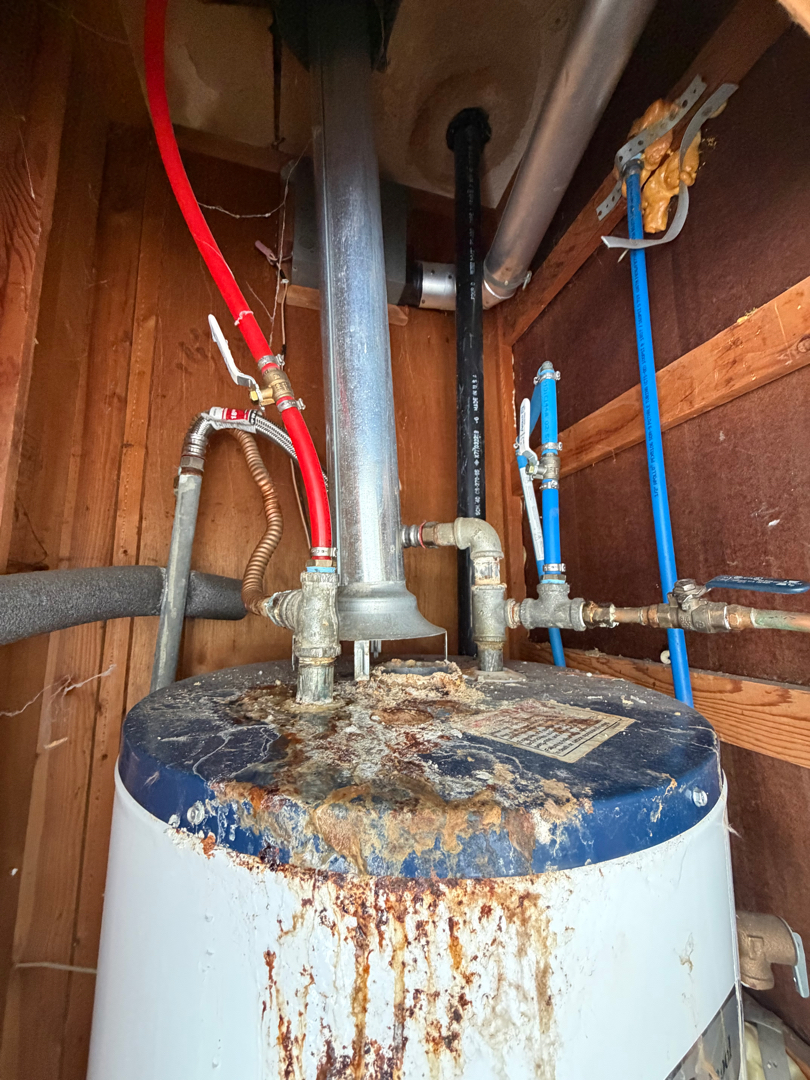
Rusty or Discolored Water: Brown or rust-colored hot water signals internal tank corrosion. Once the tank rusts through, it cannot be repaired — only replaced.
Popping or Rumbling Sounds: Sediment buildup at the bottom of the tank causes overheating and those alarming noises. The tank is working harder than it should and efficiency is dropping.
Water Around the Base: Pooling or dripping water around the tank usually means a crack or failed fitting. This can escalate to a full tank failure and flooding if not addressed — and if a basement flood has already reached your water heater, see our flooded basement recovery service.
Water Not Getting as Hot: Lukewarm water or reduced hot water supply points to a failing heating element, faulty thermostat, or sediment-insulated tank bottom.
Financing
Thinking About Replacing Your Water Heater?
If your water heater is aging, inefficient, or constantly needing repairs, upgrading to a new unit can transform your daily comfort and save you money long-term. Ask about our financing options & upgrade programs to make replacing your water heater affordable.
- 1 Free Estimate We assess your home and hot water needs at no cost.
- 2 Custom Quote Upfront pricing on the right system — with $0 down financing options.
- 3 Pro Install Licensed techs install it right — often the same day.
- Lower Energy Bills — Modern water heaters use 30-50% less energy than older models, putting money back in your pocket every month.
- More Consistent Hot Water — No more running out of hot water during showers or waiting for it to heat back up between uses.
- Safer Operation — Newer units have improved safety features including better pressure relief valves and leak detection technology.
- Longer Lifespan — A new water heater means 8-20 years of reliable hot water depending on the type you choose.
Why Homeowners Trust Us with Their Water Heaters
"No guesswork, no overselling."
- Same-Day Water Heater Replacement Available — No hot water is an emergency. We stock common tank and tankless models and can often complete a full replacement the same day you call.
- All Types: Tank, Tankless & Heat Pump — We install and service every water heater type, so our recommendation is based on what fits your home — not limited inventory. No bias toward one brand or technology.
- Proper Sizing for Your Household — We calculate your actual peak demand, account for Ohio groundwater temperatures, and size the system correctly. No guesswork, no overselling.
- Help with Rebates & Incentives — We'll help you understand which utility rebates and incentives apply to your installation and provide the documentation you need.
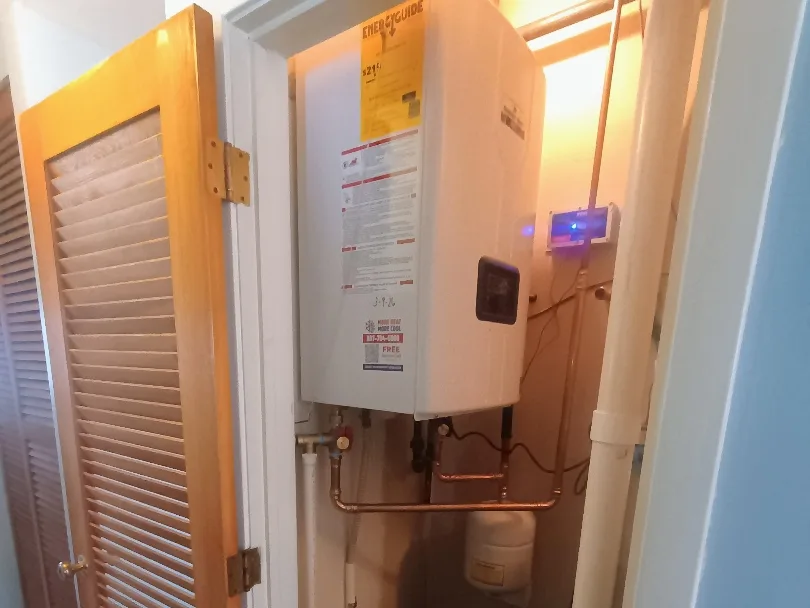
Water Heater Services in Your Area
We proudly serve homeowners across Greater Cincinnati and Dayton with expert water heater repair, installation, and replacement.
Monroe, OH
45050Franklin, OH
45005Mason, OH
45040Springboro, OH
45066West Chester, OH
45069Lebanon, OH
45036Dayton, OH
45459, 45458Cincinnati, OH
45241, 45242, 45231Don’t see your city? We likely serve your area too. View all service areas or call (937) 794‑5060.
You Might Also Need
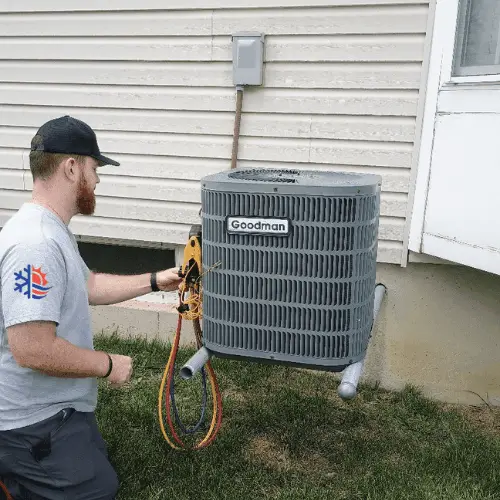 01
Emergency Services
No hot water, active leaks, or other HVAC emergencies — we respond 24/7 with fully stocked trucks to get your home back to normal fast.
01
Emergency Services
No hot water, active leaks, or other HVAC emergencies — we respond 24/7 with fully stocked trucks to get your home back to normal fast.
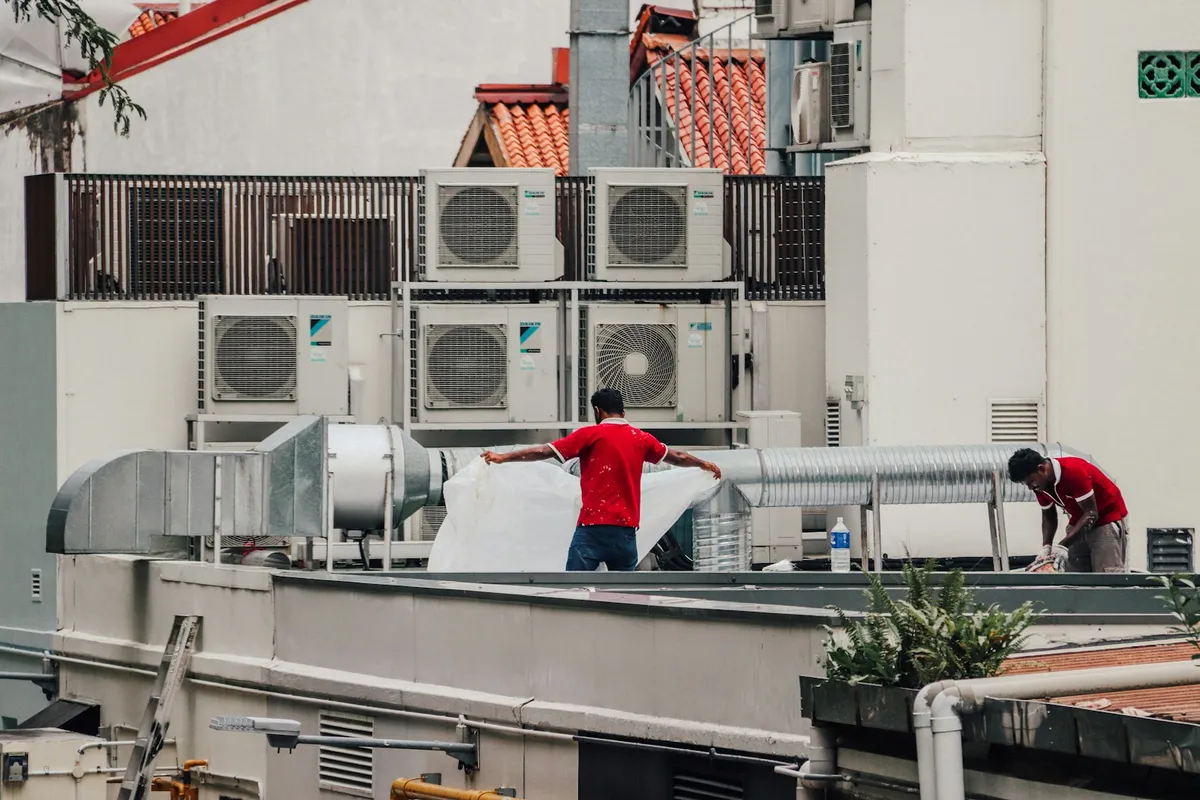 02
Comfort Club Membership
Annual maintenance plans that include water heater tune-ups, priority scheduling, and discounts on repairs. Preventive care that extends equipment life.
02
Comfort Club Membership
Annual maintenance plans that include water heater tune-ups, priority scheduling, and discounts on repairs. Preventive care that extends equipment life.
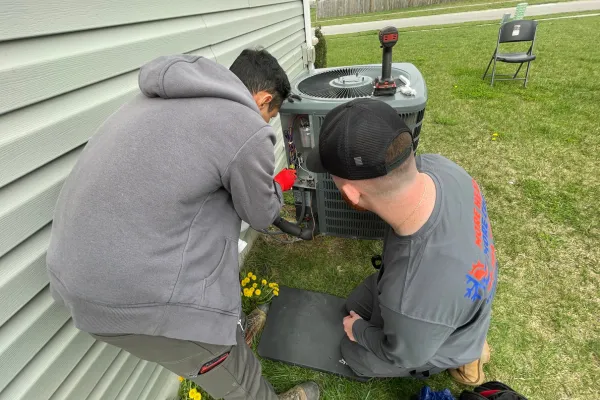 03
Heat Pump Services
Full-service heat pump installation, repair, and maintenance. If you're considering a heat pump water heater, ask about whole-home heat pump systems too.
03
Heat Pump Services
Full-service heat pump installation, repair, and maintenance. If you're considering a heat pump water heater, ask about whole-home heat pump systems too.
"Very professional and friendly and did a great job installing our new hot water heater. Would recommend!"
"Andre and his co-worker (sorry I forgot the name) came and replaced my failing water heater. They were professional and courteous. They installed the new water heater and made it sure it was working properly before they left. I would recommend their services."Joseph SoliGoogle Review
"I’m very impressed by the group They did a great job on the installation of my mini split. I couldn’t be happier.. I know I can be a tough customer, but certainly they are worth the effort. They have gained my trust!" Atul Chandoke · Google Review — Mini Split Installation
"I found Andre to be both personable and professional. He took the time to review the condition of my furnace and allowed me to discuss the situation with Gary. Job well done, boys." Ron Bartley · Google Review — Furnace Service
Frequently Asked Questions
Most traditional tank water heaters last 8-12 years with proper maintenance. Tankless water heaters often last 15-20 years. As your unit approaches these ages, it's wise to start planning for replacement before an emergency occurs.
If your water heater is less than 8 years old and the repair cost is under 50% of a new unit, repair often makes sense. For older units or major issues like tank leaks, replacement is usually the better investment. We'll give you honest guidance based on your specific situation.
Water heater size depends on your household size and hot water usage. A family of 4 typically needs a 50-gallon tank or a tankless unit rated for 2-3 fixtures. Our technicians will assess your needs and recommend the right size for consistent hot water.
Installation costs vary based on the type of water heater, your home's setup, and any code requirements. We provide upfront, transparent pricing before any work begins. Financing options are available to make installation more manageable.
Replacement costs vary based on the type of water heater, your home’s setup, fuel type, and any code requirements. Traditional tank water heaters are the most affordable option, while tankless and heat pump systems cost more upfront but save significantly on energy bills over time. Heat pump water heaters may also qualify for utility rebates. We provide upfront, transparent pricing before any work begins, and financing options are available. Contact us for a free estimate.
Yes! We offer 24/7 emergency water heater service. No hot water or active leaks can't wait. Call (937) 794‑5060 any time, and our technicians will respond quickly to restore your hot water.
We serve the Greater Cincinnati and Dayton areas including Franklin, Monroe, Mason, West Chester, Middletown, Hamilton, Fairfield, Lebanon, Springboro, Centerville, and surrounding communities.
Limited-Time Offer
FREE Service Call with Any Repair
We’ll diagnose the problem at no charge when you approve the repair. No hidden fees, no surprises.
$0 Down Financing Available
Get the water heater you need today and pay over time with affordable monthly payments. Ask about approved credit options.
Schedule Water Heater Service
Fill out the form below and we'll contact you within 24 hours - or call for immediate assistance.
Prefer to call? (937) 794‑5060In a hurry? Book your visit online and pick a time that works for you.
Ready to Find the Right Water Heater?
Whether you need a quick repair or a full replacement, we'll give you honest options and transparent pricing. No pressure, no surprises.
Serving Monroe & All of Southwest Ohio
From our home base in Monroe, we bring this service to homeowners across Southwest Ohio. Find your community below, or see all service areas.
Monroe & Warren County
Greater Cincinnati
Greater Dayton
Not sure if we cover your area? Call (937) 794‑5060 — there's a good chance we can help.